
India Just Made AI Cancer-Screening Software a Regulated Medical Device — Here’s What That Actually Changes
India records somewhere between 1.5 and 1.6 million new cancer cases a year, and roughly 870,000 to 900,000 deaths — the exact figures vary slightly depending on whether you’re reading GLOBOCAN’s 2024 country estimate or the ICMR-linked registry study published in JAMA Network Open, but both land in the same range. Against that backdrop, two things happened within the same few weeks in early 2026: an IIT Bombay-founded startup’s AI screening tool got national recognition, and the government quietly closed a regulatory gap that had let AI cancer-detection software operate without the oversight a physical medical device would need.
What actually got built: MAMMO-Q
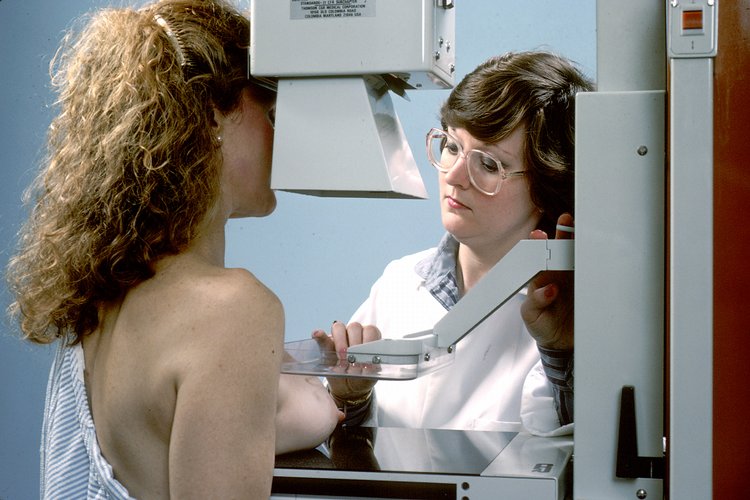
MAMMO-Q is an AI-driven breast-screening and reporting platform built by Rad AI, a startup founded by IIT Bombay faculty member Prof. Kshitij Jadhav. It was named among the Top 10 AI & Cancer Startups in India at the IndiaAI–NCG Cancer AI & Technology Challenge, held at the India AI Impact Summit 2026 in New Delhi. The tool runs image-quality checks, flags lesions, and scores breast density, producing a structured report in about a minute per mammogram — and it’s designed to run on mammography machines hospitals already have, not require new hardware.
Here’s the honest part worth saying plainly: MAMMO-Q is still in clinical validation, developed in partnership with Max Healthcare, and there’s no published accuracy data yet. “Recognized at a national AI challenge” and “clinically validated for accuracy” are two different claims, and only the first one is confirmed right now.
The regulatory change that matters more than any single tool
In January 2026, India’s Central Drugs Standard Control Organisation (CDSCO) classified AI software that detects or diagnoses cancer from medical images — X-rays, CT scans, mammograms — as a Class C medical device. That’s the risk tier for products considered moderate-to-high risk to patients, and it means developers now have to get approval, pass safety validation, meet quality standards, and report adverse events, the same way a physical diagnostic device would.
Before this, AI cancer-detection software in India existed in something close to a regulatory gray zone — not explicitly banned, but not clearly required to prove itself safe before hospitals could use it, either. This notification closes that gap for every tool in this category, not just MAMMO-Q specifically.
What this means if your hospital starts using one of these
Two things, realistically. First, “AI cancer screening” in a hospital right now almost always means an assistive tool — something that flags areas of a scan for a radiologist to look at more carefully, not something that replaces a radiologist’s reading. Second, going forward, any tool making that claim in India is supposed to have passed a real regulatory check before it’s used on patients — which wasn’t guaranteed before this classification took effect.
That doesn’t mean every AI screening tool already in use has cleared this bar yet — the classification is new, and enforcement of a new rule always lags its announcement. If a hospital tells you an AI tool is part of your screening, it’s reasonable to ask whether that specific tool has CDSCO approval, not just assume it because “it’s AI” or because it exists.
General health information, not personal medical advice.
To get informed about health issues, visit medimadad.com.