

Written and reviewed by Dr. Ajit Kumar, MD (Medicine) | MA (Psychology), Founder of Medimadad. Last reviewed: April 2026. This article is for informational purposes only and does not constitute medical advice. Read our Editorial Policy.
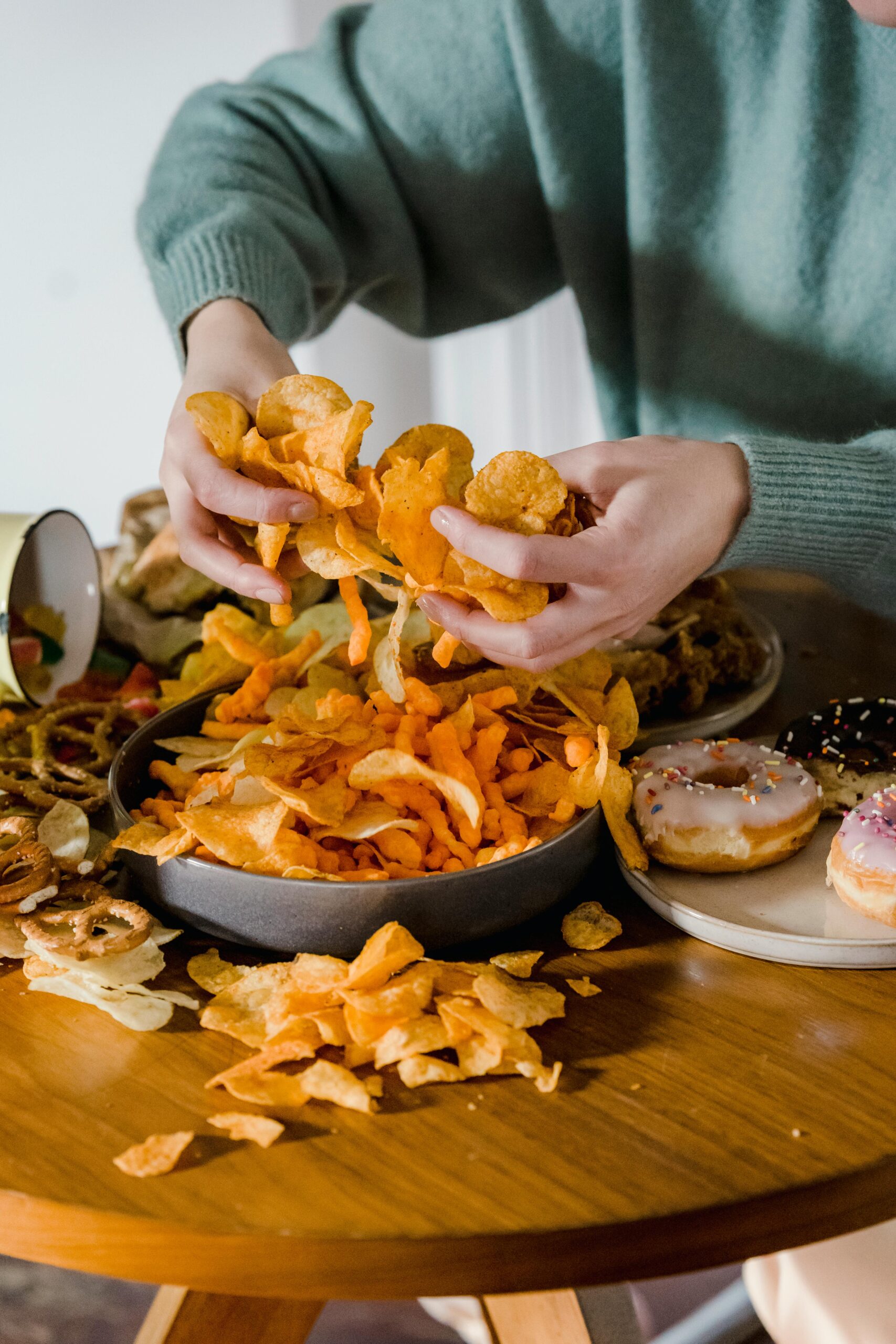
India is in the middle of a quiet dietary crisis. Urban Indian consumption of ultra-processed foods — packaged chips, instant noodles, commercial biscuits, carbonated drinks, packaged sweets — has more than doubled in the last decade. The cardiovascular consequences are increasingly well-documented. But the neurological damage is less understood, less discussed, and in many ways more alarming. What these foods are doing to the Indian brain — from childhood cognition to adult mental health to dementia risk — is an emerging area of research that deserves urgent attention.
What Makes a Food “Ultra-Processed”?
The NOVA food classification system — developed by researchers at the University of São Paulo — categorises foods not by nutrients but by the degree and purpose of processing. Ultra-processed foods (Group 4) are defined as industrial formulations made entirely or mostly from substances extracted from foods or derived from food constituents, with little or no intact original food. They characteristically contain additives that serve industrial purposes: emulsifiers, stabilisers, colours, flavours, anti-caking agents, sweeteners, and preservatives — substances never used in home cooking.
The key distinction is not “processed vs unprocessed” in the everyday sense. Dal tadka is processed — it is cooked, spiced, tempered. It is not ultra-processed. Instant noodles are ultra-processed: they contain modified starches, emulsifiers (like TBHQ), artificial flavour compounds, and high-sodium flavour packets that no home kitchen would assemble from whole ingredients.
In India, the NOVA Group 4 category includes: instant noodles (Maggi, Yippee, Knorr), commercial biscuits (most varieties), packaged chips and namkeen (Kurkure, Lays, Haldiram’s commercial snacks), carbonated beverages, commercial fruit juices (with additives), mass-produced packaged sweets and mithai, ready-to-eat meals, most commercial breakfast cereals, and fast food items.
How Ultra-Processed Foods Damage the Brain
Four mechanisms explain how UPFs harm the brain. First, neuroinflammation via blood-brain barrier disruption: emulsifiers like carboxymethylcellulose and polysorbate-80 increase gut permeability and trigger systemic inflammation, and elevated CRP and IL-6 cross the blood-brain barrier to activate microglia, producing neuroinflammation linked to depression and cognitive decline. Second, gut microbiome destruction via the gut-brain axis: UPFs lack fiber and contain additives that selectively harm beneficial gut bacteria, and since roughly 90% of the body’s serotonin is produced in the gut, disrupted microbiome diversity directly reduces serotonin synthesis. See how your own intake compares with the Daily Fiber Intake Calculator. Third, refined sugar spikes and brain insulin resistance: repeated hyperglycemic episodes impair hippocampal neurogenesis and are independently linked to Alzheimer’s risk — some researchers now call Alzheimer’s “Type 3 diabetes.” Fourth, dopamine hijacking: UPFs are engineered to be hyper-palatable, activating the brain’s reward system more intensely than whole foods and creating compulsive eating patterns that displace nutritious food.
The Research: What UPFs Do to the Human Brain
The epidemiological evidence linking UPF consumption to brain health outcomes has accumulated rapidly in recent years:
- A 2022 study in JAMA Neurology following 72,000 UK Biobank participants found that every 10% increase in UPF consumption was associated with a 25% increase in dementia risk
- A 2023 meta-analysis of 18 prospective studies found UPF consumption associated with a 53% higher risk of depression and a 41% higher risk of anxiety disorders
- Research published in Nutritional Neuroscience found that children with the highest UPF consumption scored significantly lower on cognitive assessments — particularly in working memory and attention — compared to peers with lower UPF intake
- A Brazilian study (where UPF data is particularly well-studied) found that adults whose diet was more than 20% UPF by calorie had brain volumes significantly smaller in memory-relevant regions after controlling for other variables
The Indian Context: UPFs in Indian Households
India presents a particular concern because the rapid expansion of UPF availability and marketing has coincided with unprecedented growth in child and adolescent consumption, while traditional Indian dietary wisdom — which was largely protective — has eroded in urban households. The specific Indian UPF landscape includes products that are deeply embedded in everyday eating:
- Instant noodles — Maggi, Yippee, Knorr Soupy Noodles — the dominant snack food for Indian children
- Commercial biscuits — Parle-G (borderline NOVA 3–4), Hide & Seek, Bourbon, Oreos — high refined flour, sugar, palm oil, and emulsifiers
- Packaged namkeen and chips — Kurkure, Lays, Haldiram’s commercial varieties — artificial flavouring compounds, TBHQ, MSG at industrial levels
- Carbonated beverages — Thums Up, Limca, Pepsi — high sugar load, phosphoric acid, artificial sweeteners in diet variants
- Commercial packaged juices — including brands marketed as “healthy” — concentrated sugar, preservatives, artificial flavours far removed from whole fruit
- Commercial breakfast cereals — heavily marketed to children as nutritious while being high in refined sugar and synthetic vitamins added to compensate for processing losses
What to Eat Instead: Protecting the Indian Brain
The antidote to UPF-driven neuroinflammation is not a foreign dietary system — it is a return to traditional Indian eating patterns that are already well-designed for brain protection:
- Dal and sabzi at every meal — the dietary fibre feeds beneficial gut bacteria that produce brain-protective short-chain fatty acids
- Turmeric in daily cooking — curcumin crosses the blood-brain barrier and directly inhibits neuroinflammation
- Whole grains (bajra, jowar, ragi, whole wheat) replacing maida-based products — prevents the glucose spikes that damage the hippocampus
- Fermented foods (dahi, kanji, idli, dosa) — provide probiotic bacteria that maintain gut microbiome diversity and support gut-derived serotonin production
- Walnuts, flaxseed, and mustard oil — plant sources of omega-3 that reduce neuroinflammation
For those looking to actively support brain health amid the modern Indian food environment, a targeted cognitive health supplement can help address the neuroinflammation and neurotransmitter support gaps that UPF consumption creates. Check out this highly-rated brain health supplement on Amazon.in — formulated to support cognitive function, focus, and neural protection.
This is an affiliate link – we may earn a commission at no extra cost to you. See our Affiliate Disclosure.
Dr. Ajit Kumar’s Clinical Perspective
“The patients I am most concerned about are parents who believe they are feeding their children healthy food because it says ‘baked not fried’ or ‘0% trans fat’ on the packet. These marketing claims are legally allowed to appear on products that are still NOVA Group 4 ultra-processed. The ingredient list tells the truth: if you see modified starch, disodium phosphate, sodium tripolyphosphate, carboxymethylcellulose, or artificial flavours in the first several ingredients, you are looking at a food that will promote neuroinflammation in your child’s developing brain. I tell every parent the same thing: if your grandmother would not recognise it as food, and if it has an ingredient list longer than five items you cannot pronounce, it belongs in the occasional treat category — not in the daily lunchbox.”
— Dr. Ajit Kumar, MD Medicine | Healthcare Consultant and Health Educator, Founder of Medimadad
Frequently Asked Questions
Is Maggi really ultra-processed?
Yes — Maggi noodles are a NOVA Group 4 ultra-processed food. The noodle block contains maida (refined wheat flour), palm oil, and various additives. The tastemaker contains high levels of sodium, MSG, artificial flavour compounds (including hydrolysed vegetable protein and disodium inosinate), and colour additives. Occasional consumption is not a medical emergency, but daily or near-daily consumption — common among Indian schoolchildren — represents a meaningful source of neuroinflammatory dietary stress.
Are all packaged foods ultra-processed?
No. NOVA classifies foods into four groups: unprocessed/minimally processed (fresh vegetables, plain yoghurt, eggs), culinary ingredients (oils, flours, salt), processed foods (canned tomatoes, paneer, cheese, smoked fish), and ultra-processed. Packaged plain oats, canned chickpeas in water, and plain frozen vegetables are not ultra-processed despite being packaged. The key is the ingredient list — additives not found in any home kitchen signal ultra-processing.
Can the brain recover from ultra-processed food damage?
Yes — the brain is remarkably plastic and responsive to dietary change. Studies show measurable improvements in gut microbiome diversity within 2–4 weeks of replacing UPFs with whole foods. Inflammatory biomarkers (CRP, IL-6) fall within 6–12 weeks of dietary improvement. Hippocampal neurogenesis improves with dietary fibre, omega-3, and exercise, and measurable improvements in memory and attention have been documented in both children and adults within 3–6 months of whole-food dietary transition.
What is the most harmful additive in Indian ultra-processed foods?
TBHQ (tert-butylhydroquinone) — found in many packaged Indian snacks and instant noodles — is among the most concerning. It is a petroleum-derived antioxidant that the European Food Safety Authority has flagged for genotoxicity concerns. Emulsifiers like carboxymethylcellulose (found in many commercial biscuits and packaged foods) have shown gut barrier disruption and microbiome damage in animal studies that are increasingly replicated in human data.
Further Reading
Get free weekly health insights from Dr. Ajit Kumar
Join thousands of readers. No spam. Unsubscribe anytime.
