
By Dr. Ajit Kumar, MD (Medicine) — Founder, Medimadad. About the Author | Editorial Policy
The Mediterranean diet is the most evidence-backed dietary pattern in cardiovascular medicine. The PREDIMED trial — the largest randomised trial of dietary intervention ever conducted — showed it reduces major cardiovascular events by 30%. Yet for the billion people eating traditional Indian food, the question is: does this evidence apply? And is the traditional Indian diet actually worse for the heart — or has it been unfairly judged by Western nutritional standards? The answer is nuanced, and more encouraging than many people expect.
What the Mediterranean Diet Actually Is
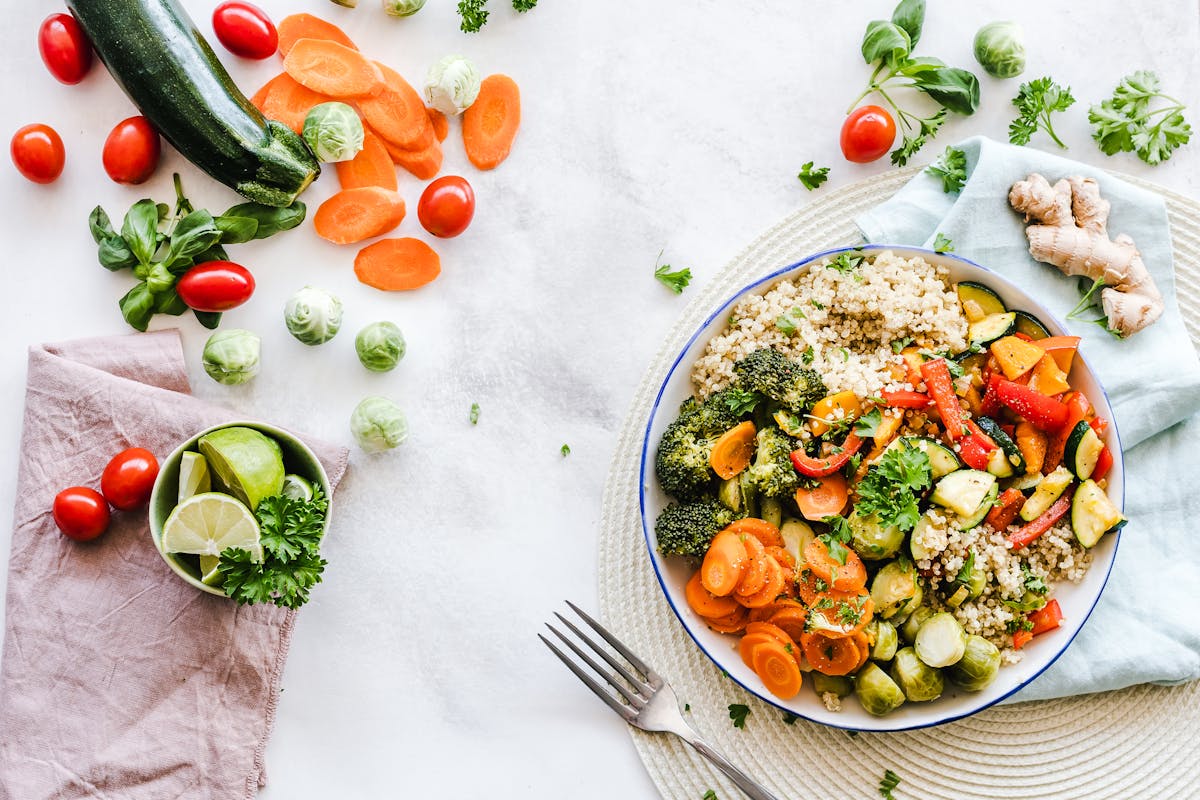
The Mediterranean diet is frequently misunderstood. It is not primarily a low-fat diet or a high-protein diet. Its defining features:
- High consumption of extra-virgin olive oil as the primary fat source
- Abundant vegetables, fruits, and legumes (dal equivalents) at every meal
- Whole grains (not refined flour) as the carbohydrate base
- Regular consumption of nuts and seeds
- Fish 2–3 times per week (particularly oily fish: sardines, salmon, mackerel)
- Moderate dairy (primarily yoghurt and cheese)
- Limited red meat and processed meat
- Herbs and spices extensively used
The PREDIMED Trial: What It Actually Proved
The PREDIMED trial (Prevención con Dieta Mediterránea) randomised 7,447 high-risk adults in Spain to one of three groups: Mediterranean diet supplemented with extra-virgin olive oil, Mediterranean diet supplemented with mixed nuts, or a low-fat control diet. After 4.8 years, both Mediterranean diet groups showed a 30% reduction in major cardiovascular events (heart attack, stroke, cardiovascular death) compared to the low-fat diet.
The mechanisms behind this protection:
- Olive oil polyphenols — Anti-inflammatory compounds that reduce LDL oxidation, the critical step in plaque formation
- Omega-3 fatty acids from fish — Reduce triglycerides, lower blood pressure, stabilise heart rhythm
- Dietary fibre from legumes and vegetables — Lowers LDL cholesterol, reduces postprandial glucose spikes
- Nuts — Improve endothelial function, reduce inflammation, provide healthy unsaturated fats
- Overall anti-inflammatory pattern — The combined dietary pattern significantly reduces CRP and other inflammatory markers
The Traditional Indian Diet: Strengths That Are Overlooked
A traditional Indian diet — as eaten by previous generations, not modern urban India — shares many features with the Mediterranean diet:
- High legume intake — Dal (lentils, chickpeas, rajma) is consumed daily in most Indian households. Legumes are the Mediterranean diet's primary protein and fibre source and one of its most protective elements
- Spices with genuine anti-inflammatory properties — Turmeric (curcumin), fenugreek (improves insulin sensitivity), cinnamon (reduces postprandial glucose), ginger (anti-inflammatory), garlic (reduces LDL) — Indian cuisine uses these liberally
- Vegetable diversity — Traditional Indian cooking uses a remarkable variety of vegetables: bhindi, lauki, turai, methi, palak — cooked in spiced gravies that preserve nutritional value better than boiling
- Yoghurt (dahi) — Fermented dairy with probiotics; the Mediterranean diet includes fermented dairy for the same reasons
- Minimal processed food — Traditional Indian home cooking uses whole ingredients. The cardiovascular problem is not traditional Indian food; it is what has replaced it
Where the Modern Indian Diet Falls Short
The gap between traditional Indian eating and the Mediterranean diet's cardioprotective effects is driven primarily by modern dietary shifts:
Refined Carbohydrates Have Replaced Whole Grains
Traditional India ate bajra, jowar, ragi, and whole wheat rotis. Modern urban India eats primarily maida (refined wheat flour) products — white bread, biscuits, namkeen, instant noodles, mithai made with maida — alongside polished white rice. Refined grains spike blood sugar, raise triglycerides, and contribute to insulin resistance far more than the whole grains they replaced.
Vanaspati and Industrial Seed Oils
Partially hydrogenated vegetable oils (vanaspati, dalda) — still widely used in Indian commercial cooking, restaurants, and packaged foods — contain trans-fatty acids, the most pro-inflammatory dietary fat identified. Trans fats raise LDL, lower HDL, and increase cardiovascular risk more than saturated fat. This single factor may account for a significant part of India's premature cardiovascular disease burden.
Low Omega-3 Intake
The Mediterranean diet's fish component provides EPA and DHA — the long-chain omega-3 fatty acids with the strongest cardiovascular evidence. Most Indians, particularly vegetarians in non-coastal regions, consume minimal omega-3. The plant sources of omega-3 (ALA from flaxseed, walnuts) are converted to EPA/DHA inefficiently in the body.
Use our Omega-3 Intake Calculator to see exactly how much EPA, DHA, and ALA you personally need to close this gap.
Building an Indian-Mediterranean Hybrid
Rather than abandoning Indian food culture for Mediterranean eating — an impractical and unnecessary step — the evidence supports combining the best elements of both:
| Keep From Indian Diet | Add From Mediterranean Diet | Replace or Reduce |
|---|---|---|
| Dal at every meal | Cold-pressed mustard or olive oil for cooking | Maida with jowar/bajra/whole wheat |
| Turmeric, fenugreek, cumin, ginger | Oily fish 2–3x/week (mackerel, sardines, hilsa) | Vanaspati with cold-pressed oils |
| Dahi (yoghurt) daily | Handful of mixed nuts daily | Packaged snacks with less-processed alternatives |
| Diverse vegetable curries | Omega-3 supplement if non-fish-eater | Excess rice with more dal and sabzi |
| Seasonal local produce | Walnuts and almonds as snacks | Restaurant food high in refined oil |
🛒 For vegetarians who cannot eat fish: A high-quality omega-3 supplement bridges the most critical nutritional gap between the Indian vegetarian diet and Mediterranean eating patterns. Check out Neuherbs Deep Sea Omega-3 2500mg on Amazon.in — one of the best-rated omega-3 supplements available in India, providing the EPA and DHA that most Indian diets are missing.
This is an affiliate link – we may earn a commission at no extra cost to you. See our Affiliate Disclosure.
The Spice Advantage: India's Edge
One area where the Indian diet may actually have an advantage over the Mediterranean pattern: the extensive use of medicinal spices. Research on the cardioprotective effects of Indian spices has accumulated significantly:
- Turmeric/curcumin — Inhibits NF-kB (a central inflammatory signalling molecule), reduces CRP, and may inhibit platelet aggregation. The bioavailability limitation (poorly absorbed without fat or piperine) is real, but cooking with turmeric in oil-based dishes — as Indian cooking typically does — partly addresses this
- Fenugreek seeds — Reduces postprandial glucose by 25–40% in several Indian trials, with effects comparable to low-dose metformin in some studies
- Garlic — Reduces total cholesterol by approximately 10–15% and has mild antihypertensive effects in multiple meta-analyses
- Ginger — Anti-inflammatory effects comparable to low-dose ibuprofen in some joint pain trials; also modestly reduces LDL and triglycerides
Dr. Ajit Kumar's Clinical Perspective
“Indian patients often feel guilty about eating Indian food when they read about Mediterranean diets. The reassurance is always the same: the dal-sabzi-roti meal your grandmother made is already very close to Mediterranean eating. The problem is what we have done to it over the last 30 years — replacing whole grains with maida, replacing real oil with vanaspati, replacing homemade food with packaged food, and replacing dal with more rice. The Mediterranean diet is not a foreign concept — it is largely what traditional Indian eating already was. The key additions worth making are: a handful of walnuts or almonds daily, oily fish twice a week for non-vegetarians, and an omega-3 supplement for vegetarians. Those three changes move most people significantly closer to an optimal cardiovascular diet without abandoning anything they love to eat.”
— Dr. Ajit Kumar, MD Medicine | Healthcare Consultant and Health Educator, Founder of Medimadad
Frequently Asked Questions
Is Indian food bad for your heart?
Traditional Indian food — whole grains, dal, vegetables, yoghurt, spices, moderate oil — is not bad for the heart and shares many features with the cardioprotective Mediterranean diet. The problem is the modern shift to refined flour products, trans-fat-laden commercial food, high salt content in pickles and processed snacks, and excessive sugar. Returning closer to traditional Indian eating is a practical cardiovascular intervention for most Indians.
What is the most heart-healthy oil for Indian cooking?
Cold-pressed mustard oil has been used in Indian cooking for centuries and has a favourable fatty acid profile — high in monounsaturated fats and containing some alpha-linolenic acid (plant omega-3). It is a good choice for everyday cooking. Extra-virgin olive oil is excellent for lower-heat cooking or salad dressings. Avoid partially hydrogenated vegetable oils (vanaspati) entirely — they contain trans fats.
Can vegetarians follow the Mediterranean diet?
Yes — with modification. The key nutritional gap is omega-3 fatty acids (EPA and DHA from fish). Vegetarians should supplement with algae-based omega-3 or a high-quality fish oil supplement, eat walnuts and flaxseed daily for ALA (plant omega-3), and increase legume intake further as the primary protein source. The plant components of the Mediterranean diet — olive oil, vegetables, legumes, nuts, whole grains — are entirely compatible with vegetarian eating.
Does turmeric really protect the heart?
Turmeric and its active compound curcumin have consistent anti-inflammatory and antioxidant effects in laboratory and human studies. However, demonstrating a specific reduction in cardiovascular events in a large randomised trial (like PREDIMED did for the Mediterranean diet) has not yet been done. The mechanistic evidence is strong; the definitive outcome trial evidence is pending. Using turmeric liberally in cooking (as Indian cuisine traditionally does) is certainly not harmful and likely beneficial.
Further Reading
- → How Much Protein Do Indians Actually Need? The Science vs The Reality
- → Vitamin D Deficiency in India: How Bad Is It Really — and How to Fix It
- → 7 Signs You Have a Magnesium Deficiency — And How to Fix It on an Indian Diet
- → The Hidden Dangers of Ultra-Processed Foods for the Indian Brain
- → Full-Fat Dairy Is Healthy After All: How 30 Years of Nutrition Advice Got It Wrong
Get free weekly health insights from Dr. Ajit Kumar
Join thousands of readers. No spam. Unsubscribe anytime.
