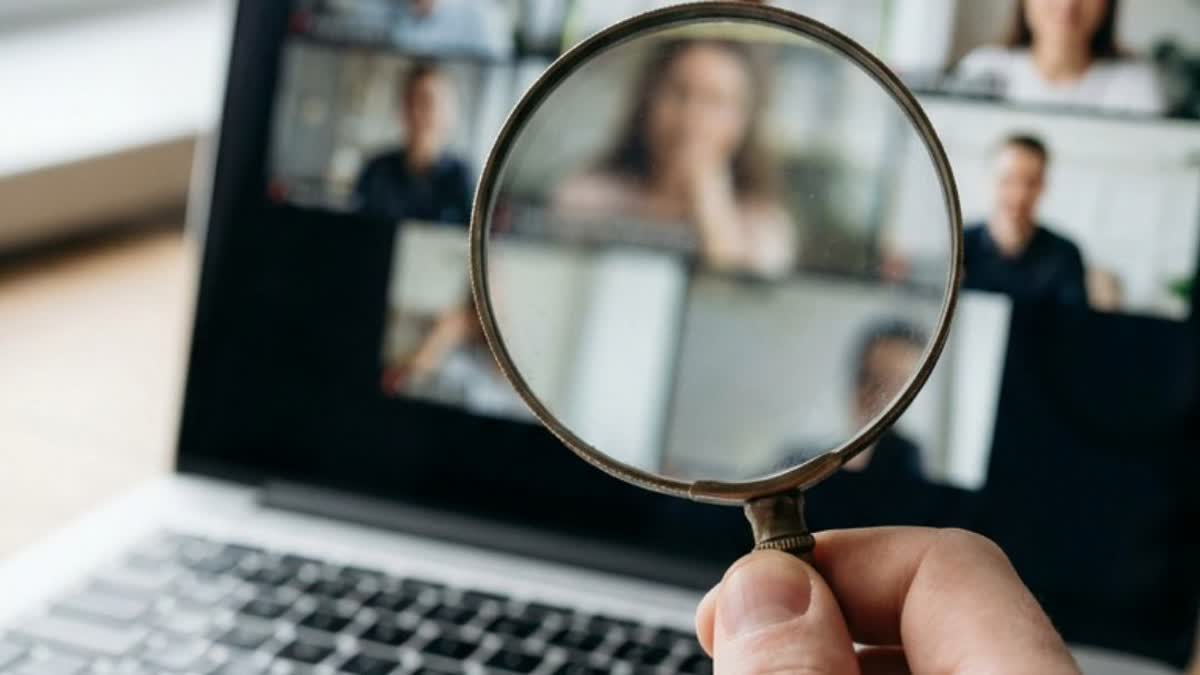

In January 2024, a video circulated on Facebook showing India TV’s editor-in-chief Rajat Sharma recommending a weight-loss drug. He never said any of it. Two months later, Gurugram’s cyber police registered a case over a video showing Dr. Naresh Trehan, chairman of Medanta Hospital, endorsing an anti-obesity medicine on what looked like a television segment. Medanta’s own statement called it what it was: “a complete fake from beginning to end,” in the words used about a similar case abroad.
These are not isolated pranks. They are a specific, growing category of health scam: AI-generated video and voice, mapped onto a real, trusted doctor’s face, selling a real product that doctor never endorsed. Here is what the actual investigations have found, what India’s law now says about it, and four questions worth asking before you trust a doctor’s video online.
How it works
A deepfake maps a synthetic likeness — face, voice, or both — onto video of someone else entirely, or generates the doctor’s likeness from scratch using existing photos and audio clips. The tools to do this convincingly are now cheap and widely available. As one deepfake researcher put it in a BMJ investigation: “The rapid democratisation of accessible AI tools for voice cloning and avatar generation has transformed the fraud and impersonation landscape.”
What the investigations actually found
The BMJ’s July 2024 investigation found well-known UK television doctors, including Hilary Jones, Michael Mosley, and Rangan Chatterjee, deepfaked into videos selling treatments for high blood pressure and diabetes, and hemp gummies, across Facebook and Instagram. One doctor targeted, Hilary Jones, described the pattern directly: “There’s been a significant increase in this kind of activity. Even if you [get one taken down], they just pop up the next day under a different name.”
By December 2025, the fact-checking organisation Full Fact had traced a single supplement company’s affiliate network to deepfaked videos of at least seventeen real doctors and academics, from a Stanford urologist to a sleep scientist to Professor Tim Spector. None had agreed to appear. One of them, Duncan Selbie, former head of Public Health England, said after seeing the fake: “I thought what you sent was an amazing imitation… It’s a complete fake from beginning to end.” The supplement company itself said the accounts were “100% unaffiliated,” while declining to say whether its own affiliate links were driving the sales.
Platform responses were mixed. TikTok initially found no policy violation, then restricted the account’s visibility without removing it, and only banned it outright after direct pressure from the investigators, citing “a moderating error” for the delay. Meta said it does not permit deceptive content but, per Full Fact’s own observation, had taken no visible enforcement action on the accounts it flagged.
India’s new rules
India’s Ministry of Electronics and Information Technology notified amendments to the IT Rules on February 10, 2026, introducing a formal legal category for this: “synthetically generated information,” defined as audio, visual, or audio-visual content created or altered algorithmically to appear real. Under the amended rules, large platforms must obtain a declaration from anyone uploading such content, use reasonable technical measures to verify it, and label it as synthetic where identified. Certain categories of harmful synthetic content, including impersonation deepfakes, are also subject to a three-hour takedown deadline once a platform receives a lawful order.
Separately, the Rajat Sharma and Medanta cases were both pursued as criminal impersonation and cheating cases under the Indian Penal Code, which existed well before any AI-specific rule. That legal route is not new; what the 2026 amendment adds is a platform-level disclosure and takedown obligation that did not exist before.
Four questions before you trust a doctor’s video
- Is this the doctor’s own verified account? A deepfake almost always runs from a newly created or unrelated account, not the doctor’s own verified channel.
- Does it lead to a hard sell? A real doctor’s educational content rarely ends in an urgent link to buy a specific supplement or drug right now.
- Can you find the same claim from the doctor’s actual, known channels? A quick search of the doctor’s real website, hospital page, or verified social account usually settles it in under a minute.
- Does the audio sound slightly off? Mismatched lip movement, flat intonation, or odd pacing are still common tells, though the gap is closing fast — one cited study found roughly half of viewers could not tell a deepfake from a real video of someone discussing a scientific topic.
If you spot one, reporting it to the platform under India’s new synthetic-content rules, and to the doctor or hospital directly if identifiable, is the most useful thing you can do. The doctor whose face was used almost never knows until someone tells them.
This article is educational and informational. It does not accuse any specific product, company, or account named by the investigations cited here beyond what those investigations themselves reported, and it is not legal advice.
Further Reading on Medimadad
This fits into a wider pattern of AI-driven scams targeting families — our piece on AI voice-cloning scams covers the closely related tactic of faking a family member’s voice instead of a doctor’s face.
Sources
- The BMJ / EurekAlert. “Trusted TV doctors ‘deepfaked’ to promote health scams on social media.” July 17, 2024.
- Full Fact. “Revealed: how academics are being deepfaked on TikTok and Instagram to promote supplements.” December 5, 2025. fullfact.org.
- STAT. “How to get rid of deepfake doctors.” July 14, 2026.
- The Tribune (India). “Police register FIR over deepfake video of Medanta chief.” March 19-20, 2024.
- India TV. Fact-check on the viral deepfake video using Rajat Sharma’s likeness. January 21, 2024.
- Ministry of Electronics and Information Technology, Government of India. Information Technology (Intermediary Guidelines and Digital Media Ethics Code) Amendment Rules, 2026, notified February 10, 2026.
To get informed about health issues, visit medimadad.com.