

By Dr. Ajit Kumar, MD (Medicine) — Founder, Medimadad. About the Author | Editorial Policy
What Is Insulin Resistance?
Insulin acts as a key that unlocks cells to allow glucose to enter. Insulin resistance means the locks become less responsive: cells no longer open easily. The pancreas compensates by producing more and more insulin, keeping blood sugar seemingly normal — until it cannot keep up and blood sugar begins to rise. By the time most people receive a pre-diabetes diagnosis, insulin resistance has typically been building for a decade or more.
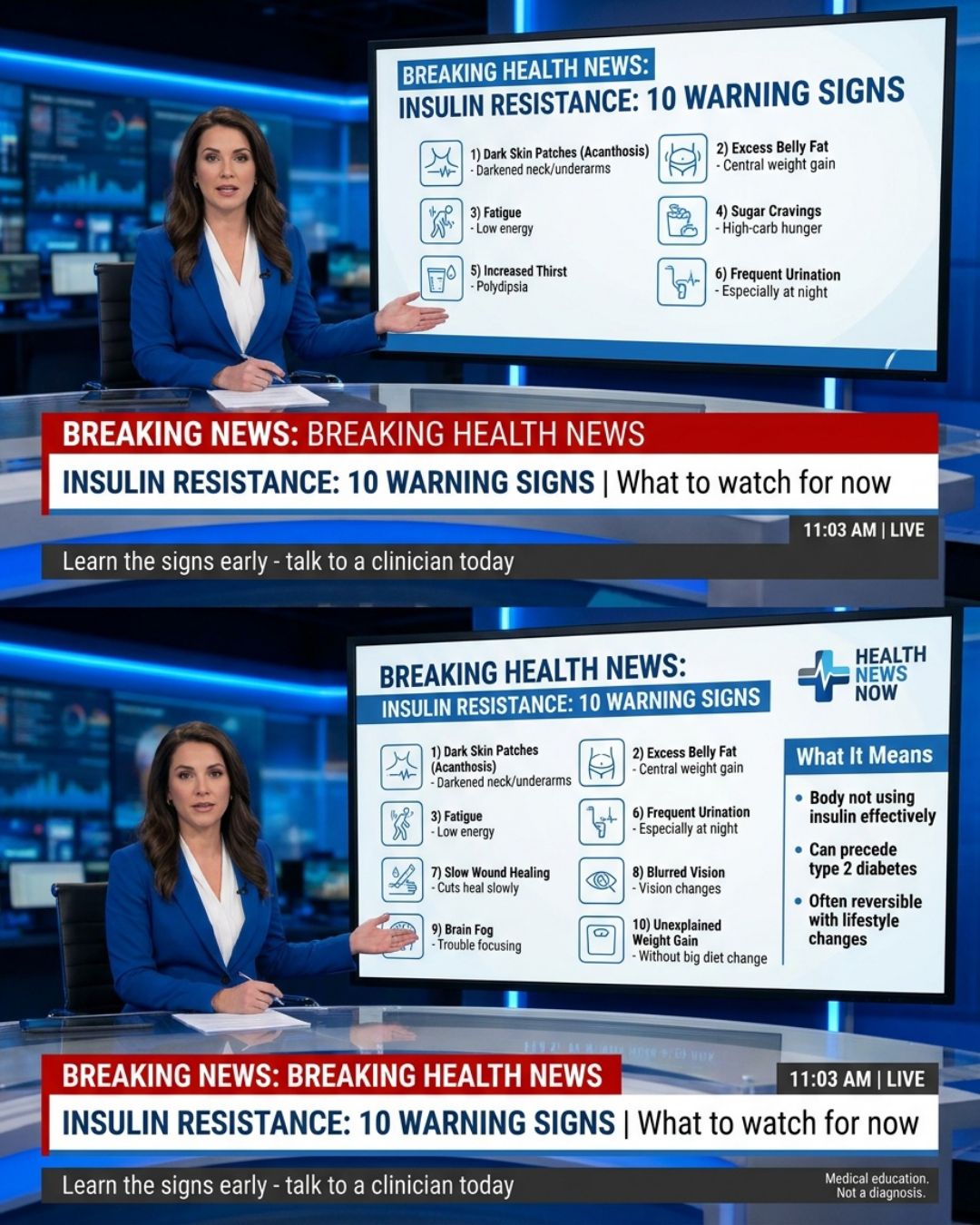
10 Warning Signs of Insulin Resistance
1. Dark, Velvety Skin Patches (Acanthosis Nigricans)
Dark, velvety patches in body folds — the back of the neck, armpits, groin, and knuckles — are caused by excess insulin stimulating skin cell growth. In India this sign is seen even in children as young as 8-10 with obesity-related insulin resistance. It is one of the most reliable visible indicators.
2. Stubborn Belly Fat
Visceral fat both causes and worsens insulin resistance. For Indian adults, a waist circumference above 90 cm in men and 80 cm in women is a high-risk indicator — thresholds lower than for Western populations due to the thin-fat Indian phenotype.
Check your own ratio in a few seconds with the Waist-to-Height Ratio Calculator — it uses the same Indian-specific risk thresholds referenced above.
3. Constant Fatigue After Meals
When cells cannot properly use glucose for energy despite adequate insulin, persistent fatigue follows — particularly in the 1-2 hours after a carbohydrate-heavy meal. Regular post-meal sleepiness warrants investigation.
4. Intense Sugar and Carbohydrate Cravings
High insulin levels suppress fat burning and drive the brain towards glucose as its primary fuel. When blood sugar fluctuates sharply, the brain sends urgent signals for more sugar — a cycle driven by insulin dysregulation, not willpower.
5. Difficulty Losing Weight Despite Dieting
Chronically elevated insulin signals fat storage and prevents access to stored fat for energy. People with significant insulin resistance often find calorie-restriction diets ineffective because the hormonal environment constantly favours fat storage.
6. Brain Fog and Poor Concentration
The brain is insulin-sensitive. Insulin resistance impairs glucose delivery to neurons, producing cognitive symptoms including difficulty concentrating, poor short-term memory, and mental sluggishness. Emerging research links Alzheimer’s disease to insulin resistance in the brain.
7. Skin Tags
Small, soft skin tags around the neck, armpits, and eyelids are strongly associated with hyperinsulinaemia. Multiple skin tags combined with other metabolic signs should prompt a metabolic workup.
8. High Triglycerides and Low HDL
Insulin resistance disrupts fat metabolism: the liver converts excess glucose into triglycerides while HDL drops. A fasting triglyceride above 150 mg/dL or a triglyceride-to-HDL ratio above 3 is a reliable metabolic marker of insulin resistance in Indian populations.
9. Irregular Periods and PCOS in Women
Insulin resistance is the primary driver of PCOS in the majority of cases. Excess insulin stimulates the ovaries to produce androgens, disrupting the menstrual cycle and causing irregular periods, acne, and excess hair growth.
10. High Blood Pressure Without an Obvious Cause
Excess insulin causes kidneys to retain sodium and stimulates the sympathetic nervous system, raising blood pressure. Hypertension in young, non-obese individuals combined with other signs warrants a full metabolic workup.
How to Test for Insulin Resistance
Standard panels focusing on fasting glucose and HbA1c miss early insulin resistance. More sensitive tests include:
- Fasting insulin: Above 15 mIU/L suggests resistance even with normal fasting glucose
- HOMA-IR: Calculated from fasting glucose and insulin; above 2.5 indicates resistance in Indian adults
- Triglyceride-to-HDL ratio: Above 3 is a reliable surrogate marker
- OGTT with insulin: The gold standard for detecting early insulin resistance
Reversing Insulin Resistance: What Actually Works
The pre-diabetic stage represents a genuine window of reversibility. Key strategies with the strongest evidence: reduce refined carbohydrates and sugar; perform resistance training to increase muscle mass and improve glucose uptake; lose even 5-10% of body weight; improve sleep quality (poor sleep acutely worsens insulin sensitivity within a single night); and manage chronic stress (cortisol directly opposes insulin action).
This is an affiliate link – we may earn a commission at no extra cost to you. See our Affiliate Disclosure.
Expert Perspective
“I routinely order fasting insulin alongside the standard glucose panel for any patient with abdominal obesity, PCOS, fatty liver, or a family history of diabetes. We catch insulin resistance 5-10 years earlier this way — which means 5-10 more years to prevent diabetes entirely. The window of easy reversibility is wider than most people realise.”
Important Caveats
- The presence of one or two signs does not confirm the condition; formal testing is required
- Acanthosis nigricans can also result from certain medications and hormonal conditions unrelated to insulin resistance
- Skin tags and high triglycerides have multiple causes; interpret them in metabolic context
Frequently Asked Questions
Can insulin resistance be reversed completely?
Yes, particularly in early stages. Lifestyle intervention — dietary changes, exercise, and weight loss — can restore normal insulin sensitivity within weeks to months of sustained effort.
What is the best diet for insulin resistance?
Low-glycaemic diets minimising refined carbohydrates and sugar are most effective. A diet based on vegetables, legumes, whole grains, and protein consistently improves insulin sensitivity.
Is insulin resistance the same as pre-diabetes?
Not exactly. Insulin resistance can exist for years with normal blood sugar. Pre-diabetes is a later stage where resistance has progressed to the point that blood sugar is elevated but not yet in the diabetic range.
Which exercise is best for insulin resistance?
Both resistance training and aerobic exercise improve insulin sensitivity. Resistance training has a stronger effect on muscle glucose uptake; combining both yields the best results.
Related: Can You Reverse Type 2 Diabetes? | Berberine vs Metformin for Blood Sugar | Complete Guide to GLP-1 Weight Loss Drugs
Further Reading
Get free weekly health insights from Dr. Ajit Kumar
Join thousands of readers. No spam. Unsubscribe anytime.
