
By Dr. Ajit Kumar, MD (Medicine) — Founder, Medimadad. About the Author | Editorial Policy
Here is a number worth sitting with: according to India’s National Family Health Survey (NFHS-5, 2019-21), 57% of Indian women aged 15-49 are anemic. For men in the same age group, it’s about 25%. That’s not a small gap — women are more than twice as likely to be anemic as men, and the gap has actually widened since the previous survey (NFHS-4 put women’s anemia at 53%).
A fresh 2026 dataset backs up the same pattern from a different angle. Thyrocare’s “Bharat Aarogyam Score” report, built from over 9.3 million health checkups between 2023 and 2025 and released this year, found low hemoglobin roughly 2.5 times more common in women than men — remarkably close to the NFHS ratio, from a completely different kind of data (routine diagnostic checkups, not a door-to-door national survey). When two very different data sources land on roughly the same multiplier, that’s worth taking seriously.
Worth being precise about what each dataset actually is, though. NFHS-5 is a large, randomized, government household survey — the closest thing India has to ground truth on this question. The Thyrocare figures come from people who booked a diagnostic checkup, which skews toward a more health-conscious, urban, insured population — it shows a real pattern, but isn’t a substitute for a population-representative survey. Used together, one confirms the other without either needing to carry the whole claim alone.
Why the Gap Exists
This isn’t a mystery — the physiology is well understood. Menstrual blood loss is the single biggest driver: an adult woman needs roughly 18mg of iron a day during her reproductive years, nearly double a man’s 8mg, simply to replace what’s lost monthly. Pregnancy multiplies the demand further — a growing fetus and placenta draw heavily on maternal iron stores, which is why anemia in pregnant Indian women (around 52% per NFHS-5) is tracked as its own specific risk category.
Diet compounds the biological gap. Iron from plant sources (non-heme iron, found in lentils, spinach, fortified grains) is absorbed far less efficiently by the body than iron from meat and fish (heme iron) — a real disadvantage in a country where a large share of the population eats a predominantly vegetarian diet, and where women, culturally, are often served last and least at a meal that’s already iron-limited.
What Men’s Numbers in the Same Data Reveal
The Thyrocare dataset’s findings on men are worth a line too, since the story isn’t purely “women’s health” — men showed higher rates of liver-marker abnormalities and B12 deficiency than women in the same checkups. B12 deficiency specifically is relevant here: it’s a separate cause of anemia from iron deficiency, more common with age and with gut-absorption issues, and it’s frequently missed because a standard hemoglobin test alone doesn’t catch it — a B12-specific blood test is needed.
What To Actually Do About It
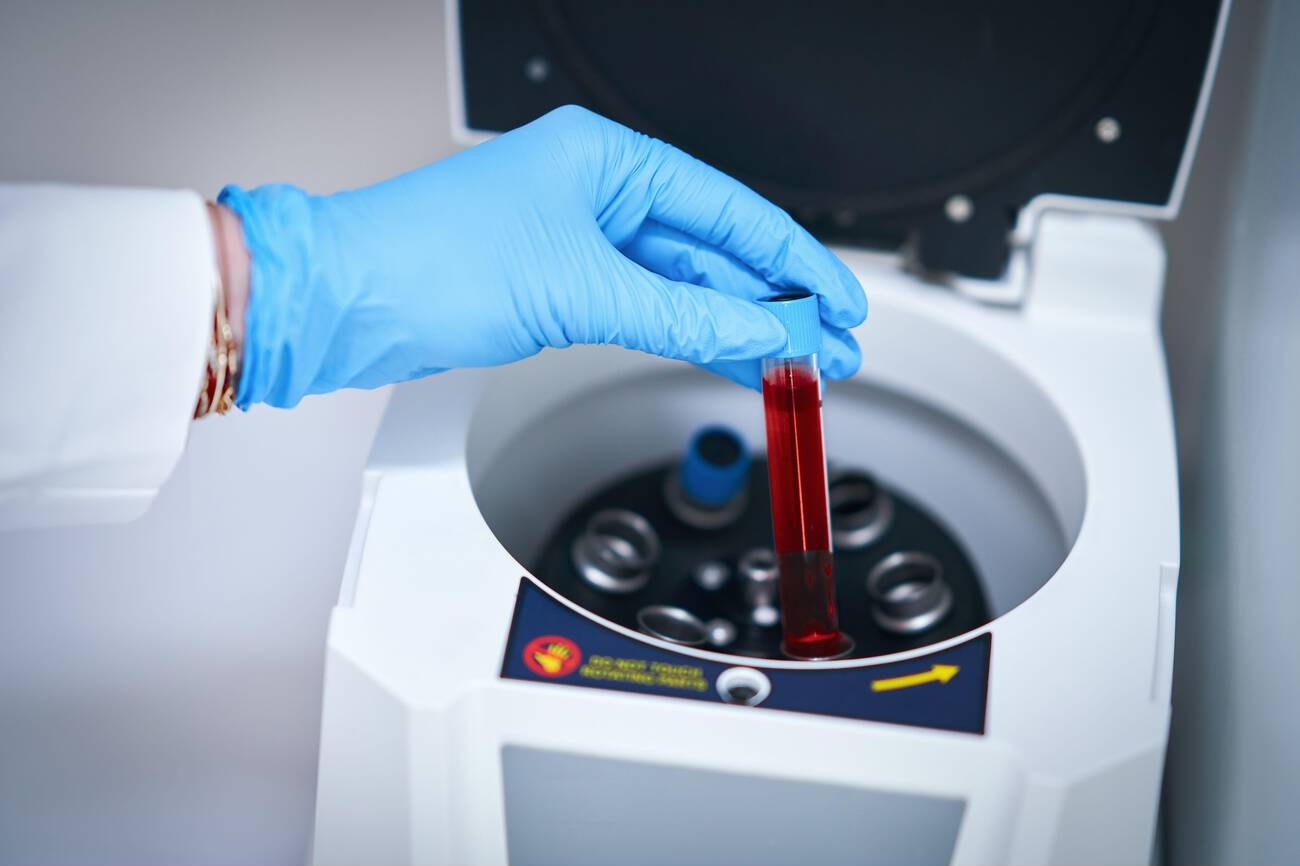
Anemia is quietly serious, not just “feeling a bit tired.” Left unaddressed, it affects concentration, immune function, and in pregnancy, both maternal and infant outcomes. The practical path is straightforward: a basic hemoglobin/complete blood count test (widely available and inexpensive at any diagnostic lab in India) is the first step, not guessing from symptoms like fatigue or pale skin, which overlap with many other conditions. If you’re a woman of reproductive age, especially if pregnant or with heavy periods, a yearly check is reasonable. If a test confirms iron-deficiency anemia, correction is usually straightforward — dietary iron, often combined with vitamin C (which improves absorption), or a supplement under medical guidance for more significant deficiencies.
Frequently Asked Questions
Is anemia the same as just feeling tired?
No — fatigue has many causes. Anemia is a specific, testable condition (low hemoglobin/red blood cell count) that happens to cause fatigue among other symptoms. A blood test, not symptom-guessing, is how it’s actually diagnosed.
Can diet alone fix it?
For mild iron-deficiency anemia, often yes — increasing iron-rich foods (lentils, leafy greens, jaggery, lean meat where eaten) alongside vitamin C sources can meaningfully help. More significant deficiencies usually need a supplement, which should be guided by an actual test result, not taken preemptively.
Why do India’s surveys keep finding anemia getting worse, not better, despite years of national programs?
It’s a genuinely debated public-health question, with no single clean answer — persistent dietary patterns, under-diagnosis of non-iron causes (like B12/thyroid-related anemia), and measurement-methodology changes between survey rounds are all part of the honest discussion, not something this article can resolve with certainty.
Explore the Wider Medimadad Ecosystem
Anemia sits at the intersection of nutrition, women’s health, and routine screening — areas Medimadad covers across several lenses. For deeper nutrient-specific coverage, see the related vitamin D and iron pieces linked below. For the human-behaviour side of why people skip routine health checkups despite knowing better, Medimadad Mind & Meanings explores that territory.
Further Reading on Medimadad
- Daily Iron Requirement Calculator: How Much Iron Do You Actually Need?
- Vitamin D Deficiency in India: Why It’s So Common Even in a Sunny Country
- The Blood Sugar Connection to Male Sexual Health
National Family Health Survey-5 (NFHS-5), 2019-21, Ministry of Health and Family Welfare, Government of India — anemia prevalence among women and men aged 15-49.
Indian Pharma Post, “Thyrocare’s Bharat Aarogyam Score flags silent health risks in 9 out of 10 Indians,” April 2026 (link) — secondary trade-press coverage of Thyrocare’s own report; Thyrocare’s primary publication was not independently located and is cited here as a corroborating, not a sole, data point.
NFHS-5 trend comparison against NFHS-4 (2015-16) anemia figures, as reported across multiple independent secondary analyses.