
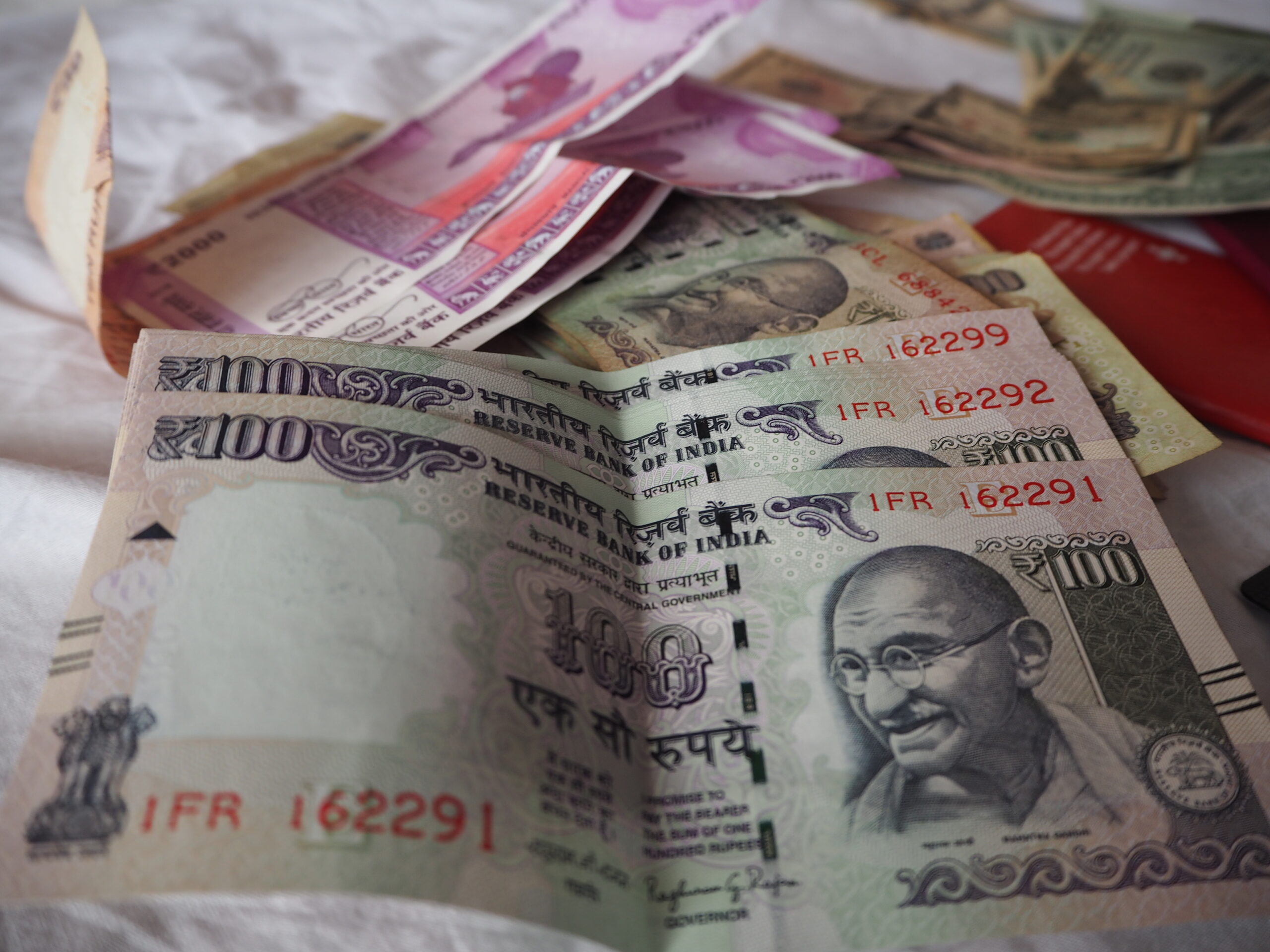

Here’s a number that stops most families cold: advanced cancer treatment in India can now run up to ₹30 lakh. Even a straightforward, early-stage diagnosis typically costs ₹5–7 lakh before it’s resolved. And that’s before you count what insurance never touches — the travel, the lost income, the relative who has to stop working to stay in the hospital with you.
If you or someone in your family has just heard the word “cancer,” the medical plan is the first conversation. The financial plan is usually the second — and it deserves to be based on real numbers, not guesswork or fear.
What Cancer Treatment Actually Costs in India Right Now
According to a 2026 analysis released by Care Health Insurance around World Cancer Day, early-stage cancer treatment in India typically costs ₹5–7 lakh. Complex or advanced-stage care — multiple lines of chemotherapy, targeted therapy, longer hospital stays — can climb as high as ₹30 lakh. Based on this claims data, the insurer now recommends a health cover of at least ₹15–25 lakh, specifically because standard ₹5 lakh policies are proving inadequate for a real cancer diagnosis.
It’s worth being upfront about where this number comes from: it’s an insurer’s own claims analysis, not an independent peer-reviewed study. Insurers have their own reasons to emphasize high costs — it supports selling higher-cover policies. That doesn’t make the number wrong (it’s broadly consistent with what oncologists in India describe), but it’s industry evidence, and we’re flagging it as such rather than presenting it as neutral research.
Even With Insurance, Most Families Still Go Into Debt
The more rigorous evidence comes from a real peer-reviewed study: a 2024 longitudinal cohort study published in the International Journal for Equity in Health (Mohanty et al.), which followed 500 breast cancer patients treated at Tata Memorial Centre, Mumbai, from June 2019 to March 2022.
The findings are stark. 84.2% of these patients faced catastrophic health expenditure — defined as out-of-pocket medical spending that consumes a large share of a household’s capacity to pay. And 72.4% resorted to distress financing: selling assets or borrowing money to pay for treatment.
Here’s the part that should change how you think about insurance specifically: about 75% of the patients in this study had some form of reimbursement coverage. It still only reduced the incidence of catastrophic health expenditure by about 14%. Having a policy helped — it just didn’t come close to solving the problem on its own.
The Hidden Cost Insurance Almost Never Covers: Getting to Treatment
A separate study — this one by researchers from the International Institute for Population Sciences (IIPS) and Tata Memorial Centre, published in the Journal of Cancer Policy — looked at a different patient group: gastric and pancreatic cancer patients. It’s important to be precise here, since this is a different cancer type and a different cohort from the breast cancer study above, not the same number restated.
This study found that 83.2% of patients faced catastrophic non-medical expenditure — travel, lodging, food away from home, lost wages for the patient and for family caregivers — with a mean non-medical cost of ₹88,433. More than three-quarters of patients had to travel over 500 km to reach adequate cancer care, a reflection of how concentrated India’s advanced oncology infrastructure still is in a handful of cities.
This is the category of cost that almost no health insurance policy reimburses, and it’s rarely included when people budget for “the cost of cancer treatment.”
What This Means If You’re Planning Ahead
The point here isn’t to cause panic. A family facing this diagnosis deserves real numbers to plan with, not guesswork under pressure. A few things the evidence above actually supports:
- A standard ₹5 lakh health policy is very likely not enough if advanced treatment becomes necessary — the gap between a typical policy and real advanced-care costs is large and well documented.
- Insurance reduces risk, it doesn’t eliminate it. Even reimbursed patients in the Tata Memorial study faced catastrophic spending at a high rate. Build an emergency fund or family safety net as a genuine second layer, not a backup you assume you won’t need.
- Budget for non-medical costs explicitly. Travel, lodging near a treatment centre, and a caregiver’s lost income are real, recurring expenses that a hospital bill alone won’t show you.
- Early detection has a real financial argument, not just a medical one. The gap between “early-stage” (₹5–7 lakh) and “advanced” (up to ₹30 lakh) costs in the Care Health Insurance data is itself a case for not delaying screening or a second opinion on an unclear symptom.
The Bottom Line
Cancer treatment in India is expensive by any honest measure, and the financial burden falls heaviest on families who assumed a standard health policy would be enough. The real, cited numbers — not the vaguer “cancer is expensive” framing you’ll see elsewhere — are the starting point for an actual plan: how much cover you need, what it won’t pay for, and what else has to be in place before you need it.
This article is for general information only and is not personal financial or medical advice. Insurance needs vary by individual circumstances, existing conditions, and family history — speak with a qualified financial advisor and your treating oncologist before making coverage decisions.
For more evidence-based health and healthcare-finance coverage, visit medimadad.com.